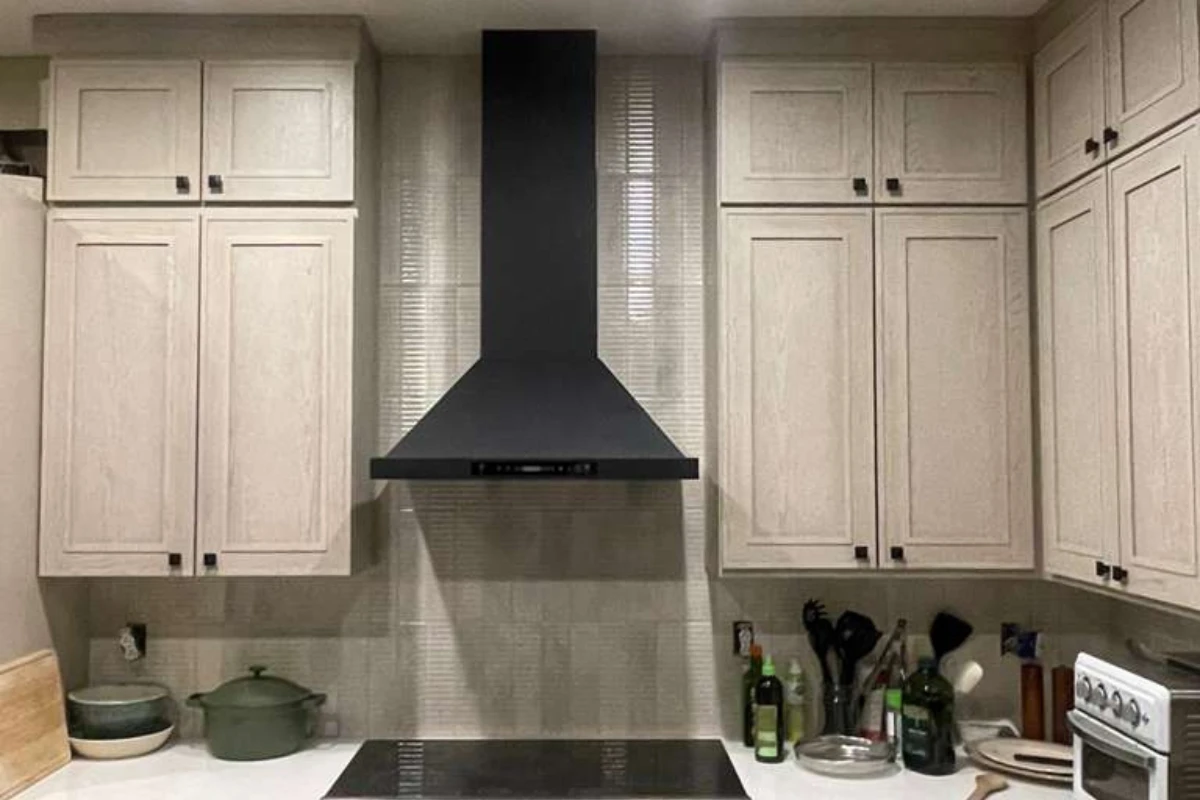
What Should You Update First in a Dated Kitchen?
An outdated kitchen can make everyday tasks feel harder than they should. Cabinets may lack useful storage, countertops might be worn, and poor lighting can make cooking and food preparation frustrating. But updating everything at once is not always necessary.
The first priority in kitchen remodeling should be the features that affect how your kitchen functions. Start by evaluating the layout, cabinet condition, storage, and work surfaces before investing in decorative upgrades.
For homeowners in Salt Lake City, UT, understanding which improvements will make the biggest practical difference can help create a kitchen that looks better and works more efficiently.
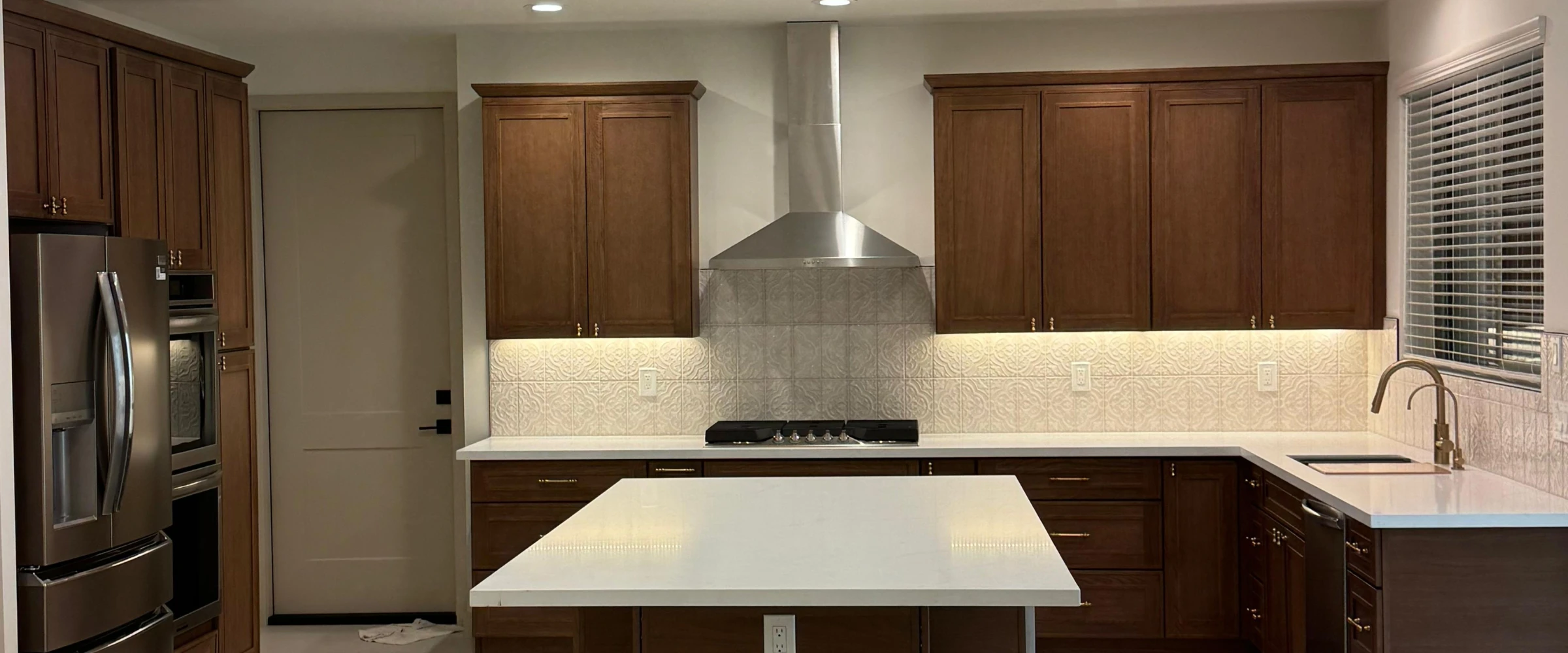
Start With Your Kitchen Layout Before Changing Finishes
A fresh coat of paint or new countertop may improve the appearance of your kitchen, but neither will solve a frustrating layout.
Before selecting materials, consider how you move between the sink, refrigerator, stove, and preparation areas. A functional layout should support everyday cooking without unnecessary movement or crowded pathways.
Common layout problems include:
Not enough counter space near the stove or sink
Appliances positioned too close to one another
Cabinet doors that interfere with walkways
Limited space for multiple people to prepare meals
Poor access to frequently used kitchen supplies
An oversized island that restricts movement
If your current layout works well, keeping it can reduce the complexity of your remodeling project. You may be able to improve the kitchen significantly by updating cabinets, countertops, and lighting without relocating major fixtures.
However, if the layout creates constant frustration, addressing it early is usually more useful than investing in cosmetic changes.
A professional kitchen remodeling project can help homeowners evaluate how the existing space functions and determine which improvements deserve priority.
Update Cabinets When Storage and Accessibility Are Problems
Kitchen cabinets occupy a large portion of the room's visible space, but appearance is only one reason to update them.
Older cabinets may have worn hinges, difficult-to-use drawers, damaged surfaces, or layouts that waste valuable storage space.
Before replacing your cabinetry, determine whether the existing cabinet boxes are structurally sound and meet your storage needs.
When Cabinet Refinishing May Be Enough
If your cabinets are in good condition and the layout works, painting, refinishing, or replacing the hardware may provide the visual update you want.
This approach can make sense when:
Cabinet boxes remain sturdy
Doors and drawers operate properly
Existing storage meets your household's needs
You want to change the color or finish
A complete cabinet replacement is unnecessary
When Cabinet Replacement Makes More Sense
Replacing cabinets may be worthwhile when existing units are damaged, poorly configured, or unable to accommodate needed storage improvements.
New cabinetry can also create opportunities for deep drawers, pull-out storage, improved pantry organization, and more accessible cabinet interiors.
Think about where you currently store pots, pans, dishes, and small appliances. Cabinet improvements should make those items easier to reach rather than simply changing how the kitchen looks.
Prioritize Countertops That Support Everyday Use
Countertops are another important consideration because they serve as the kitchen's primary work surfaces.
Scratches, stains, chips, damaged edges, or limited preparation space can make an older kitchen feel less practical.
Before selecting new countertops, consider how frequently you cook, how much maintenance you are comfortable with, and whether you need additional workspace.
Common countertop options include:
Quartz: An engineered surface available in various colors and patterns. Many quartz products require relatively little routine maintenance, although heat precautions remain important.
Granite: A natural stone known for its distinctive appearance. Maintenance requirements depend on the particular stone and finish.
Solid surface: A manufactured material that can provide a consistent appearance and may allow certain scratches or surface damage to be repaired.
Laminate: A practical option available in numerous colors and patterns, often at a lower material cost than stone alternatives.
No countertop material is ideal for every household. Compare durability, cleaning requirements, installation needs, and appearance before making a final decision.
If your existing countertops are in good condition, replacing them may not need to be your first improvement.
Improve Kitchen Lighting Before Investing in Decorative Details
Poor lighting can make a kitchen appear older, even when the cabinets and countertops are still in reasonable condition.
It can also make food preparation, cleaning, and cooking more difficult.
A well-planned kitchen generally benefits from multiple types of lighting rather than relying on a single ceiling fixture.
General Lighting
General lighting provides broad illumination throughout the room. Ceiling fixtures or recessed lights are common options, depending on the kitchen design.
Task Lighting
Task lighting illuminates areas where you prepare food, wash dishes, or complete detailed activities.
Under-cabinet lighting can be especially useful where upper cabinets block overhead light from reaching countertops.
Accent Lighting
Accent lighting can highlight architectural details, shelving, or selected kitchen features.
Although decorative lighting can improve the atmosphere, adequate general and task lighting should come first.
If you are planning electrical changes, discuss fixture placement and installation requirements with a qualified professional before work begins.
Replace Outdated Appliances Based on Condition and Performance
Older appliances often contribute to a dated kitchen, but their appearance alone does not mean they need replacement.
Start by evaluating their reliability, condition, and suitability for your household.
For example, replacing an unreliable refrigerator may be more urgent than upgrading a functioning range simply to match a new finish.
Consider the following questions:
Are any appliances frequently malfunctioning?
Do they meet your cooking and storage needs?
Are they difficult to clean or maintain?
Will their dimensions work with the planned cabinetry?
Would a different appliance configuration improve the workspace?
Appliance dimensions should be considered early in a larger kitchen remodel. Changing appliance sizes after cabinets and countertops have been planned can create installation complications.
Ventilation also deserves attention, particularly if your cooking habits or appliance choices are changing.
Decide Whether Flooring Needs Immediate Attention
Kitchen flooring experiences frequent foot traffic, spills, dropped utensils, and regular cleaning.
Visible wear does not always require replacement, but damaged or uneven flooring deserves closer evaluation.
Common flooring options include luxury vinyl, porcelain tile, and certain engineered wood products.
Each offers different characteristics regarding moisture resistance, comfort, appearance, maintenance, and installation.
For example, porcelain tile offers a durable surface but can feel hard underfoot. Luxury vinyl products vary in construction and water resistance, so reviewing manufacturer specifications is important.
If you are replacing cabinets or changing the layout, flooring decisions should be coordinated with the overall project.
The installation sequence matters because new cabinetry, islands, flooring, and appliances may affect one another.
Small Kitchen Updates That Can Make a Noticeable Difference
Not every dated kitchen requires extensive construction.
If your kitchen functions well, a few focused improvements may refresh its appearance without substantially changing the room.
Possible updates include:
Replacing worn cabinet handles and drawer pulls
Painting walls or suitable cabinet surfaces
Installing a new kitchen faucet
Updating an aging backsplash
Replacing outdated light fixtures
Improving drawer and pantry organization
Repairing damaged trim or cabinet doors
These changes can be especially useful when the kitchen's primary components remain in good condition.
However, avoid spending heavily on cosmetic upgrades that may be removed during a future remodel.
For example, installing an expensive backsplash may not be practical if you plan to replace the cabinets and countertops shortly afterward.
How to Prioritize Kitchen Updates Based on Your Budget
Kitchen remodeling costs depend on the project's scope, material selections, labor, existing conditions, and whether plumbing or electrical systems need modification.
Instead of dividing your budget equally among every feature, prioritize improvements according to necessity and daily use.
A practical approach is to separate your planned updates into three categories.
Essential Improvements
These address damaged components, significant functional problems, or issues that interfere with everyday kitchen use.
Examples include deteriorating cabinetry, inadequate preparation space, or appliances that no longer operate reliably.
Functional Upgrades
These make the kitchen easier to use but may not be immediately necessary.
Examples include additional drawer storage, improved lighting, a more convenient pantry layout, or better seating arrangements.
Cosmetic Improvements
These primarily affect appearance.
Examples include decorative hardware, wall colors, backsplash patterns, and coordinating finishes.
Once essential and functional improvements are addressed, you can determine how much of your budget remains for aesthetic preferences.
Remember that demolition may reveal unexpected conditions, such as concealed water damage or outdated wiring. These discoveries can affect the project's scope, cost, and schedule.
Should You Remodel Your Kitchen All at Once or in Stages?
The answer depends on how closely the planned improvements are connected.
A phased approach may make sense when your cabinets, flooring, and countertops remain usable and you want to make independent cosmetic changes over time.
For example, painting walls and changing cabinet hardware can often be completed separately from a larger remodeling project.
However, replacing cabinets, countertops, flooring, and appliances at different times may create scheduling complications or duplicate installation work.
If you expect to make major changes, developing a complete plan before construction begins can help coordinate material selections and installation order.
The goal is not necessarily to finish everything immediately. It is to avoid making an improvement now that interferes with an important update later.
Kitchen Materials and Hardware Resources Worth Exploring
Comparing available products can help you understand how different kitchen features may affect usability, appearance, and maintenance.
The following manufacturers provide useful information for planning kitchen improvements.
Blum
Blum manufactures cabinet hinges, drawer systems, and interior organization hardware. Exploring its storage and hardware options can help you identify practical improvements for kitchen cabinets and drawers.
KOHLER
KOHLER offers kitchen faucets, sinks, and related fixtures. Its product information can help homeowners compare fixture configurations, finishes, and features that may suit different kitchen routines.
Sherwin-Williams
Sherwin-Williams provides interior paint products, color collections, and planning resources. These can be useful when comparing wall colors or evaluating suitable finishes for a kitchen refresh.
These resources are intended for general product research and comparison, not as an indication of a business relationship or specific materials used by Thomas Contracting Utah.
Common Kitchen Remodeling Mistakes to Avoid
An attractive kitchen is not necessarily a practical one. Some remodeling decisions look appealing during planning but create frustrations after installation.
One common mistake is choosing finishes before determining whether the existing layout works.
Another is selecting an island without considering the clearance needed to open appliance doors and move comfortably through the kitchen.
Other issues to watch for include:
Choosing cabinet styles without evaluating storage capacity
Overlooking countertop space beside major appliances
Installing insufficient task lighting
Selecting finishes based only on appearance
Forgetting to plan for trash and recycling storage
Making appliance selections after cabinetry dimensions are finalized
Ignoring how new materials will need to be cleaned and maintained
Making these decisions early helps the finished space reflect your actual cooking habits and household needs.
Planning Kitchen Remodeling in Salt Lake City, UT
For homeowners in Salt Lake City, kitchen updates should reflect the condition of the existing space and the way the household uses it.
An older kitchen may benefit from improved storage and electrical planning, while another may simply need refreshed surfaces and better lighting.
If your project involves relocating plumbing, modifying electrical systems, or making structural changes, local permit and inspection requirements may apply. The requirements depend on the specific work and property.
Before starting a larger project, consider the practical disruptions as well. Cabinet replacement, demolition, or countertop installation can temporarily limit access to sinks, appliances, and food preparation areas.
Planning a temporary cooking arrangement and discussing the construction sequence beforehand can help you prepare.
With a clear set of priorities, kitchen remodeling can focus on meaningful improvements instead of unnecessary replacements.
Frequently Asked Questions About Updating a Dated Kitchen
Can I Update My Kitchen Without Replacing the Cabinets?
Yes. If the cabinet boxes are structurally sound and provide adequate storage, painting, refinishing, or updating the hardware may be sufficient. Replacing cabinets becomes more relevant when they are damaged or poorly configured.
Should I Replace Kitchen Cabinets or Countertops First?
If both need replacement, cabinetry should generally be planned and installed before new countertops are measured and fitted. The cabinet layout and final dimensions influence countertop fabrication and installation.
What If My Kitchen Is Outdated but Still Functional?
A cosmetic refresh may be enough. Painting, replacing hardware, improving lighting, and updating selected fixtures can change the appearance without requiring major layout modifications.
Can I Keep My Existing Kitchen Appliances During a Remodel?
Yes, provided they are functioning properly and compatible with the proposed design. Their dimensions, ventilation needs, and installation requirements should be accounted for during planning.
Is It Better to Keep the Existing Kitchen Layout?
Keeping the existing layout can reduce the complexity of a project, particularly when plumbing and electrical connections remain in place. However, a layout change may be worthwhile if the current arrangement consistently interferes with cooking, storage, or movement.
How Long Does It Take to Update an Outdated Kitchen?
The timeline depends on the work involved. Painting and hardware changes are generally less involved than replacing cabinets, relocating utilities, or completing a full remodel. Material availability, installation scheduling, and unexpected conditions can also affect the schedule.
Can I Live at Home During Kitchen Remodeling?
Many homeowners remain at home during kitchen projects, although access to cooking facilities may be limited. The level of disruption depends on the extent of demolition, installation work, and the availability of another area for food preparation.
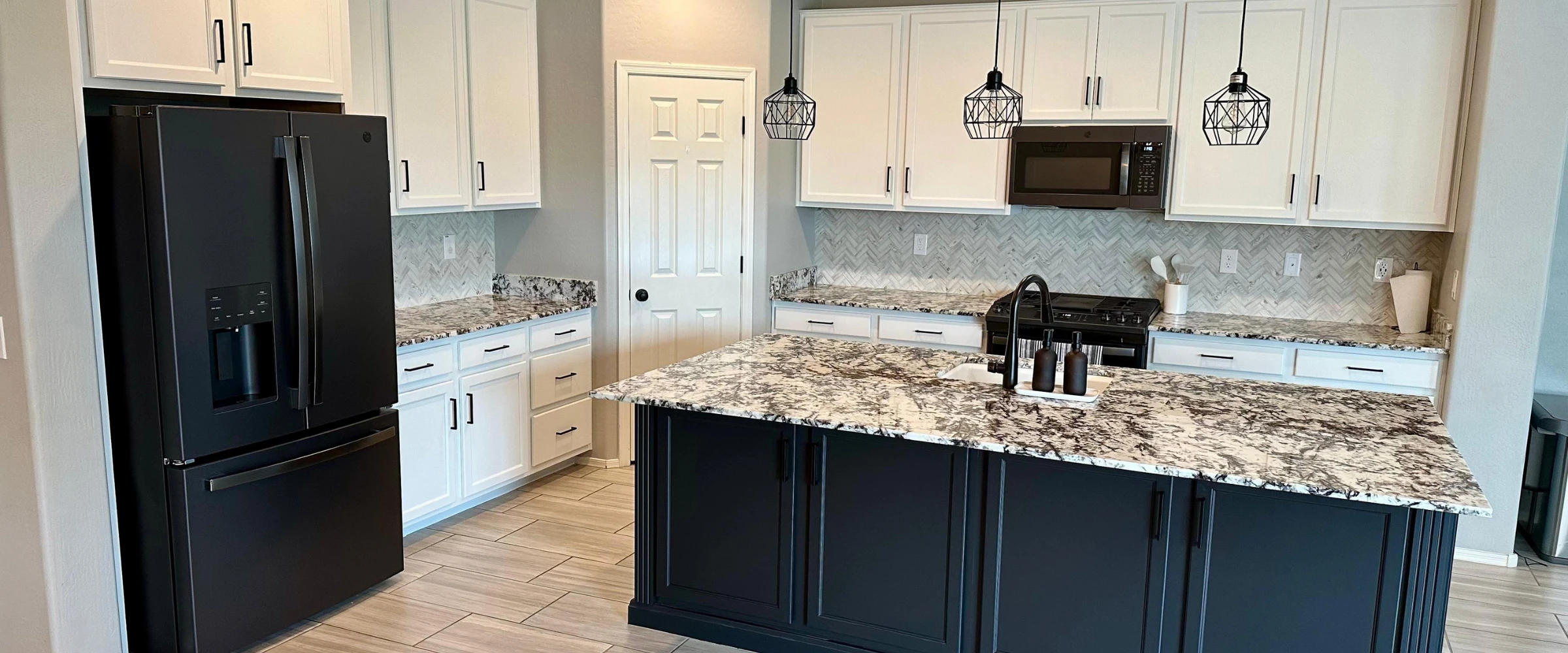
Make the Right Kitchen Updates for Your Home
The first update in a dated kitchen should be the one that solves your most significant problem.
If your layout makes cooking difficult, start with functionality. If storage is inadequate, evaluate your cabinets. If the room feels dark and uninviting, improved lighting may make a noticeable difference.
Once those priorities are clear, countertops, flooring, appliances, and decorative finishes can be selected to support the overall plan.
At Thomas Contracting Utah, we can discuss your kitchen remodeling goals and help you explore the next steps for your space in Salt Lake City, UT.
Call (801) 616-2722 or Contact Us to discuss your dated kitchen and the improvements you are considering.